
The model
How inclusion actually works here
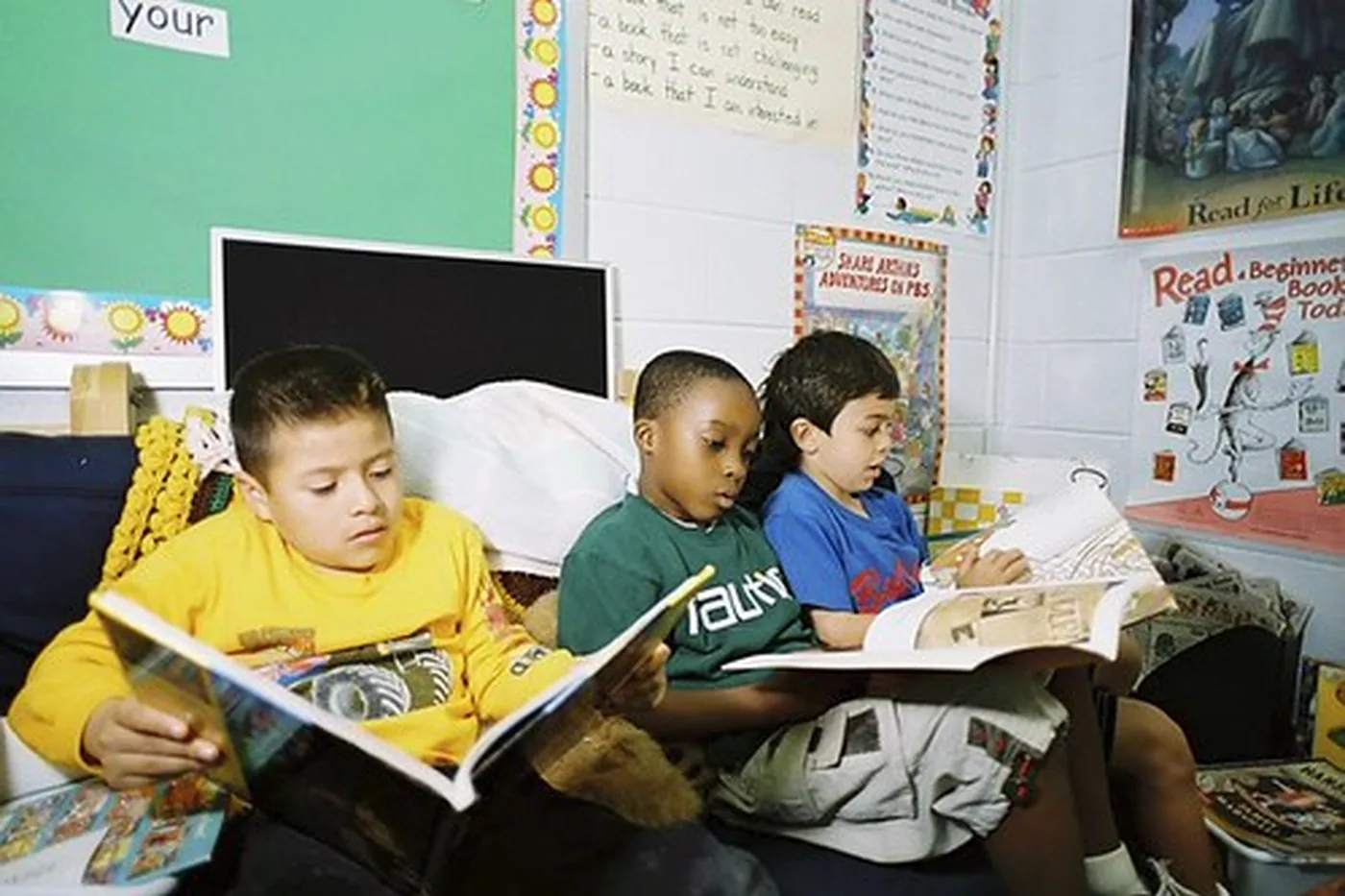
Inclusion is not simply placing a disabled child in a mainstream room and hoping. It means the room is built so that more than one kind of learner belongs in it from the start.
- Individualised education plans. Each child has goals of their own; the class does not move at one speed.
- Therapy inside the school day. A skill worked on in the morning gets practised in the classroom the same week.
- Staff trained in behaviour analysis. The teaching team is trained on site, to an international standard.
- Both groups gain. Neurotypical children who grow up alongside disabled peers do not have to learn inclusion later as an abstraction.
Admissions
Joining the school
Places are free. What we need to know first is whether the setting suits your child.
Get in touch
Call or WhatsApp and tell us about your child.
Visit
Come and see the classroom while it is running. Bring your child if you would like.
Assessment
We look at learning needs and what support would be required.
Start
An individualised education plan is agreed with you before the first day.
age range, class sizes, school hours, term dates, current availability, and what a funded place covers
Why places are funded
Specialist education costs more than most families here earn
At the cheapest rate in Islamabad, therapy for one child costs four-fifths of a full minimum-wage income. That is the reason a number of places at this school are funded rather than charged for, awarded on need.
Why it is free
Nobody should choose between rent and their child's education
Specialist education is expensive almost everywhere, and in practice that means the children who most need it are the ones least likely to get it. Funding places rather than charging for them is a deliberate answer to that.
Therapy fees and training income cover part of the cost. Donations cover the rest. what a specific amount buys — e.g. "PKR X funds one child's schooling for a month"